

Product Categories
Latest Products
Waterjet cutting machine production line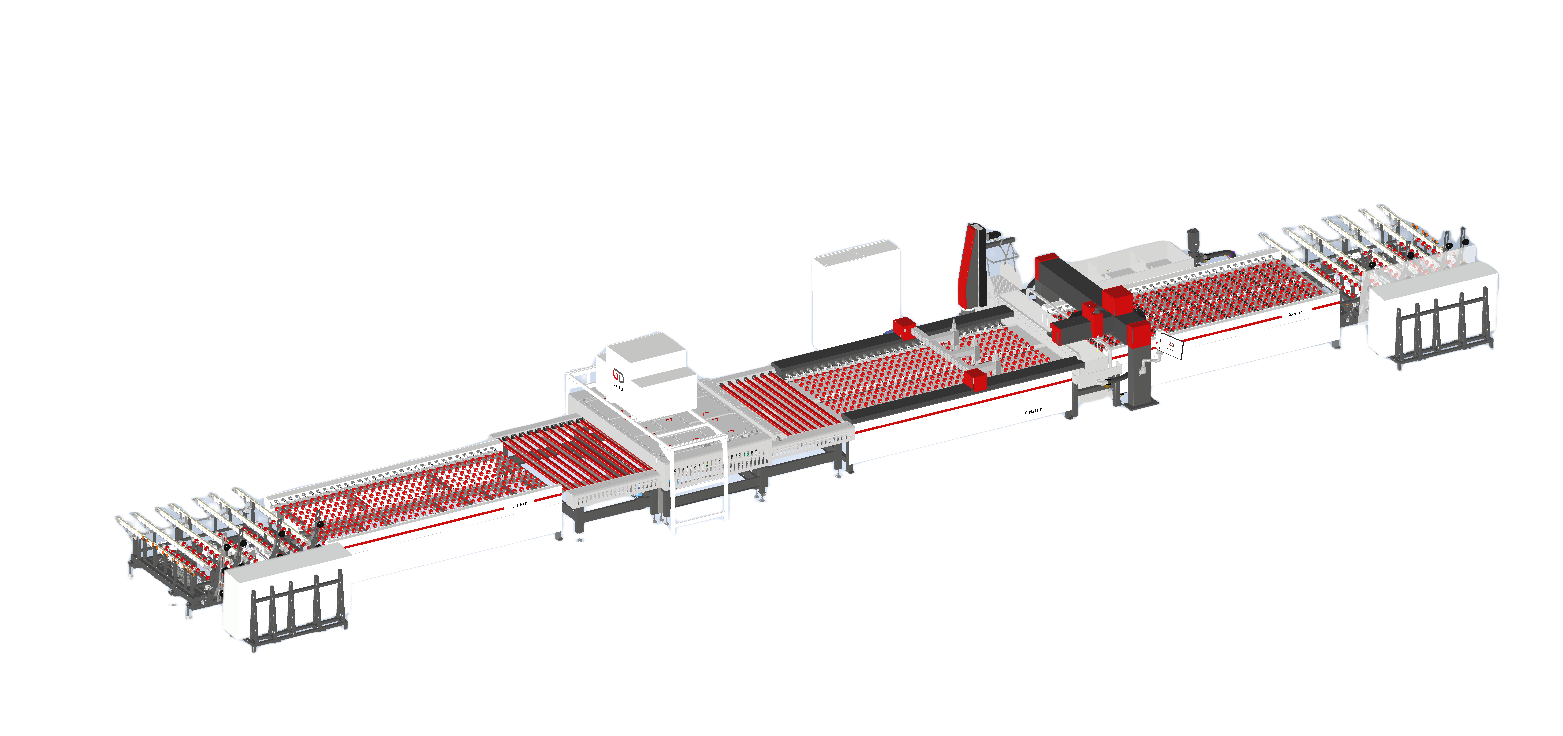


Android players do not need a huge screen to care about maths; they need clean performance, fast loading, and a slot that holds its RTP promise across thousands of spins. For an operator, the payout report is where the story starts, because anime-themed games often win attention first and retention second, while the numbers decide whether that attention turns into sustainable play. A title with a 96.20% RTP and a 96.50% RTP may look close on paper, but over 10,000 spins the difference is real.
| Slot | Provider | RTP | Volatility | Android angle |
|---|---|---|---|---|
| Ninja Ways | Hacksaw Gaming | 96.23% | High | Fast, sharp UI on smaller screens |
| Bushido Ways xNudge | Hacksaw Gaming | 96.25% | High | Readable symbols and strong portrait-mode play |
| Samurai’s Katana Megaways | Blueprint Gaming | 96.20% | High | Big-action layout, good on modern Android devices |
| Geisha’s Revenge | Play’n GO | 96.20% | Medium-High | Simple touch controls and quick session pacing |
| Mighty Samurai | NetEnt | 96.10% | Medium | Lightweight feel for older Android phones |
In operator terms, anime branding can lift click-through by a few points, but only if the game keeps pace on mobile. On Android, the practical test is simple: does the title load quickly, stay legible in portrait mode, and keep bonus triggers understandable after a short session? A slot that scores well on all three usually performs better in day-one retention than a prettier game with clunky menus.
Precise probability statement: if a slot has a 96.20% RTP, the theoretical house edge is 3.80% over an infinite sample. On a 100-spin batch with a 1-unit stake per spin, the expected return is 96.20 units and the expected loss is 3.80 units. That does not predict any single session, but it does explain why RTP gaps of 0.10% to 0.15% matter at scale.

Hacksaw Gaming has become a strong fit for mobile-first traffic because its interface design tends to stay crisp on smaller devices. That is one reason Hacksaw Gaming titles often convert well with younger audiences who recognize anime-inspired visuals instantly, then stay for mechanics that are easy to read without zooming.
Among these three, the margin is thin: Bushido Ways xNudge leads Ninja Ways by 0.02 percentage points on RTP, while both sit 0.03 to 0.05 points above many standard mobile slots. That is a minor difference for casual play, but it can influence long-run theoretical hold if traffic volume is large enough.
Geisha’s Revenge from Play’n GO and Mighty Samurai from NetEnt fill the remaining places because they balance theme, usability, and session length better than most rivals. Geisha’s Revenge carries a 96.20% RTP and medium-high volatility, which makes it a flexible acquisition title for operators targeting shorter Android sessions. Mighty Samurai sits at 96.10% RTP with medium volatility, and that slightly lower variance profile can appeal to players who prefer steadier play over spike-heavy swings.
“A common myth says anime slots pay better because they look more intense. The numbers do not support that. RTP is set by the math model, not by the art style, and an anime skin on Android does not change the underlying return rate.”
That myth shows up often in community chatter, but the data is blunt. A 96.25% game and a 96.10% game can both be anime-themed, both be mobile-friendly, and both still behave exactly like their math tables say they should. The artwork changes engagement; the model changes expectation.
| Game | RTP gap vs best in list | Volatility | Best operator use |
|---|---|---|---|
| Bushido Ways xNudge | 0.00% | High | Headline mobile campaign |
| Ninja Ways | 0.02% | High | Retention and reactivation |
| Samurai’s Katana Megaways | 0.05% | High | High-engagement events |
| Geisha’s Revenge | 0.05% | Medium-High | Broader mobile audiences |
| Mighty Samurai | 0.15% | Medium | Lower-friction casual play |
The business case is not only theme recognition. Device compatibility, session time, and bonus clarity all affect whether a player returns tomorrow. A slot with high volatility can produce stronger social chatter, but if the mechanics are too dense for a five-inch screen, churn rises. A calmer game may earn lower peak excitement, yet it often supports longer average session length and fewer support complaints.
One useful rule of thumb: compare RTP differences in tenths of a percent, but compare user experience in whole seconds. If a game loads two seconds faster, that can be more valuable than a 0.05% RTP edge on a busy acquisition campaign. For Android traffic, speed and readability are business metrics, not cosmetic details.
Waterjet cutting machine production line