

Product Categories
Latest Products
Waterjet cutting machine production line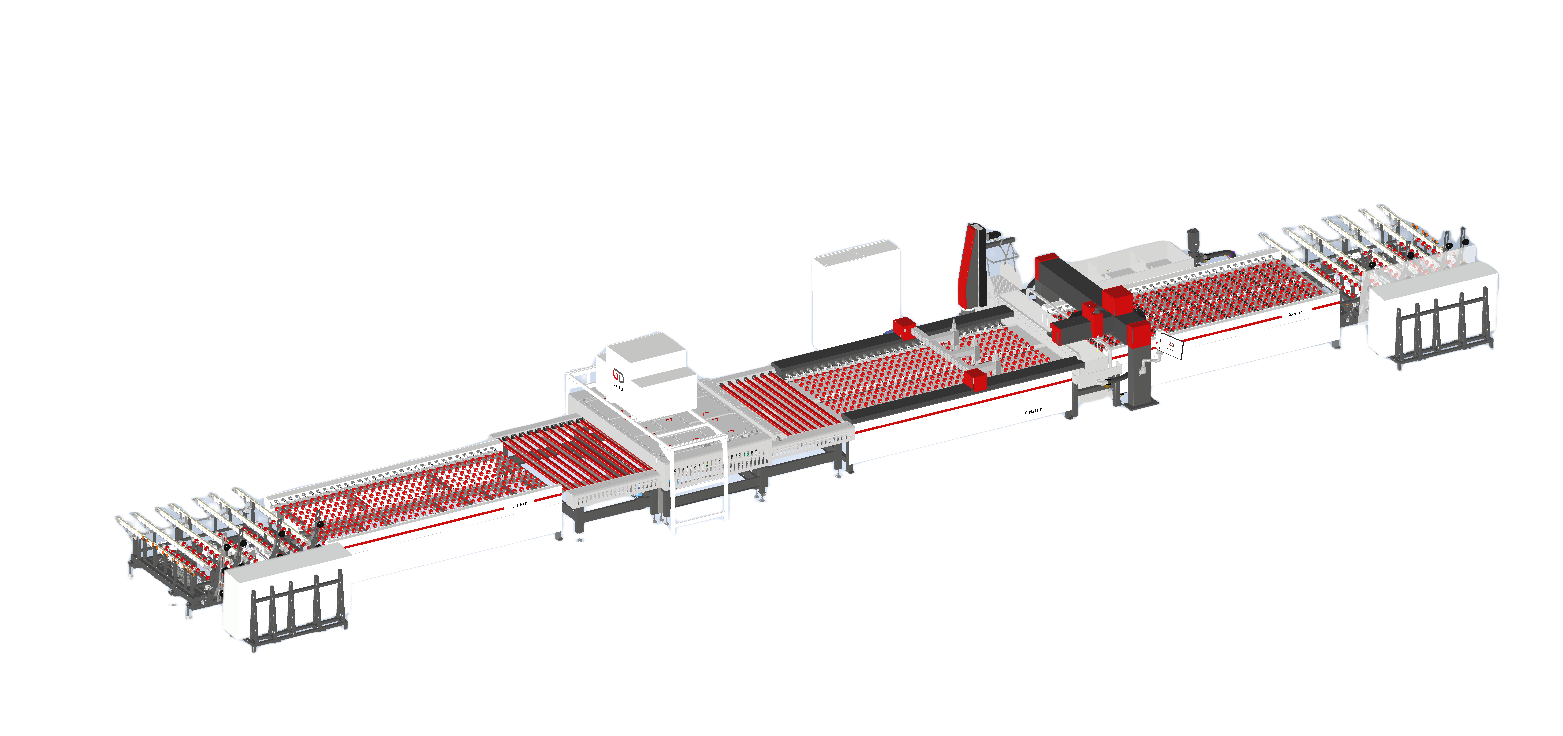


Jackpot Golden Legend leans into a very specific slot promise: jackpot slots with low pots can still deliver real payout potential when the math, volatility, and bonus rounds line up. That balance matters in casino games because players are not only chasing a progressive jackpot; they are also reading game volatility, testing RNG fairness, and judging whether the feature set can turn modest base-game hits into meaningful spikes. In technical terms, the experience lives or dies on how fast the client loads, how cleanly the interface scales on mobile, and how efficiently the game engine handles bonus transitions without stutter. The result is a product that should be evaluated less as a spectacle and more as a piece of interactive software with measurable performance traits.
For a provider reference point, Play’n GO’s catalog is a useful benchmark for how polished jackpot-style presentation can be when the math model and UX are aligned. Play’n GO jackpot design sets a high bar for responsive layouts, animation discipline, and feature readability across devices.
Pass criteria: the game reaches first interaction in under 3 seconds on a stable mobile connection, the app footprint stays lean, and the interface preserves readability at 360px width without forcing zoom or horizontal scroll.
Fail criteria: excessive preloading, delayed symbol rendering, or controls that overlap near the bottom edge on smaller screens.
From a software engineering perspective, this checkpoint is the easiest to measure and the hardest to fake. Jackpot-heavy titles often overload the front end with particle effects, branded frames, and jackpot meters, but those extras should not create a laggy launch. A clean implementation keeps the first paint light, compresses assets aggressively, and defers nonessential animations until the reels are visible.
| Metric | Pass Target | What to Watch |
| Initial load time | Under 3.0s | Asset size, CDN efficiency |
| App size | Under 200 MB for platform wrapper | Cached media bloat |
| Touch response | Near-instant | Spin button latency |
Responsive design also affects trust. If the jackpot meter, balance panel, and autoplay controls remain stable during orientation changes, the game feels engineered rather than improvised. That is a strong signal in a category where visual noise can hide weak UX.
Pass criteria: bonus rounds trigger often enough to sustain engagement, the low-pot design still creates visible progression, and the payout potential is not trapped behind one rare event.
Fail criteria: the game depends too heavily on a single jackpot event, with base play too flat to justify long sessions.
Low pots are not a weakness by default. They can be a design choice that keeps the game approachable while pushing value into multipliers, expanding symbols, respins, or collection mechanics. The key question is whether the bonus structure gives players a coherent path to value. In jackpot slots, perceived fairness depends on whether smaller wins and feature frequency make the session feel active, even when the major prize remains distant.
When a title pairs low pots with clear feature stacking, it can outperform flashier competitors in real-world engagement. Players stay because the session has structure, not just because the jackpot banner glows.
Pass criteria: the published RTP sits in a competitive range, volatility is communicated through gameplay rather than vague marketing, and RNG behavior feels consistent across repeated sessions.
Fail criteria: hidden math, unclear prize distribution, or an experience that swings so hard it becomes unreadable.
For technical reviewers, RTP and volatility should be treated as system-level indicators. A slot with a respectable RTP can still feel punishing if volatility is extreme and bonus access is too sparse. Conversely, a lower-volatility setup can support better perceived value if the game keeps feeding the player small wins and short feature bursts. The most credible jackpot games make the math legible through pacing.
| Review Layer | Pass | Fail | Technical Read |
| RTP disclosure | Visible | Hidden | Compliance and transparency |
| Volatility clarity | Readable in play | Guesswork | Session planning |
| RNG fairness feel | Consistent outcomes | Erratic spikes only | Player trust |
RTP snapshot: a jackpot slot that sits around the mid-90s can still be competitive if the feature cadence is well tuned and the jackpot tiers are not doing all the heavy lifting.
In jackpot design, the cleanest fairness signal is not a giant win screen; it is a game that keeps its pacing stable enough for players to understand why they are staying in the session.
Pass criteria: the HUD remains readable during bonus transitions, the jackpot counter never obscures core controls, and the game supports portrait and landscape without reflow errors.
Fail criteria: cluttered overlays, hard-to-read win meters, or animation sequences that block the spin button at the wrong moment.
This is where many jackpot slots lose technical points. The temptation is to add more chrome: flashing frames, stacked counters, animated treasure markers, and oversized prize ladders. A better build uses hierarchy. The most important information should occupy the strongest visual lane, while secondary features sit one layer back. That approach reduces cognitive load and improves play speed.
Responsive design also affects accessibility. Large hit areas, high-contrast labels, and stable touch zones matter more on mobile than on desktop. If the game allows quick session control without accidental taps, it earns a better usability score even before the math is considered.
Scoring guide: 4 passes = strong technical recommendation; 3 passes = solid game with minor UI or math caveats; 2 passes = mixed result, better for short sessions than long play; 1 pass or fewer = poor fit for players who value speed, clarity, and dependable payout structure.
Waterjet cutting machine production line